


 English
 中文簡(jiǎn)體
news
Home / News / Industry News / Why Is the Conical Twin Screw and Barrel Revolutionizing Modern Industrial Processing?
Author: WeiBo
Date: Jan 22, 2026
Why Is the Conical Twin Screw and Barrel Revolutionizing Modern Industrial Processing?
Content
In the fast-paced world of industrial manufacturing, efficiency isn't just a goal—it’s a necessity. From the plastic toys on store shelves to the high-grade pipes used in construction, the machinery behind these products relies on precision engineering. One component has recently taken center stage due to its unique design and multitasking capabilities: the Conical Twin Screw and Barrel.
But why is this specific design becoming the "go-to" choice for factories worldwide? What makes a conical shape better than a traditional straight one? In this deep dive, we explore how this powerhouse component works, why it’s built the way it is, and the massive impact it has on the global supply chain.
Understanding the Core: What Is a Conical Twin Screw and Barrel?
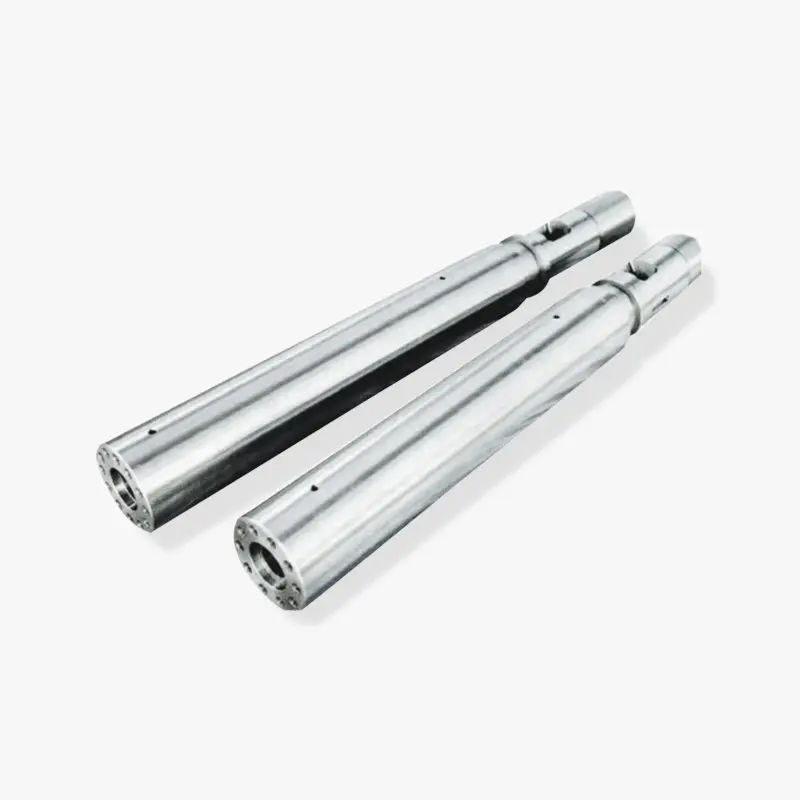
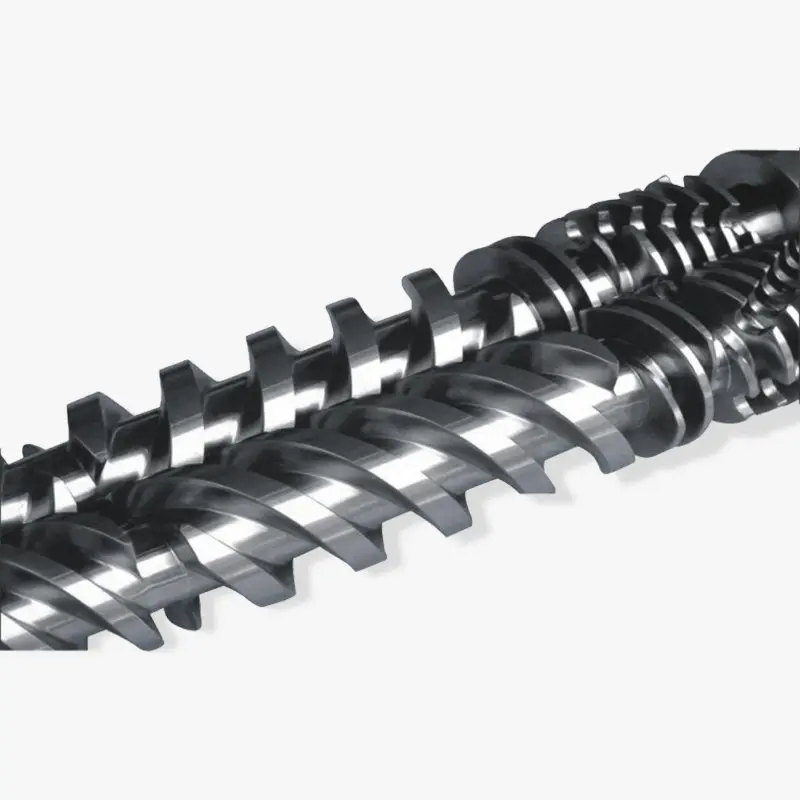
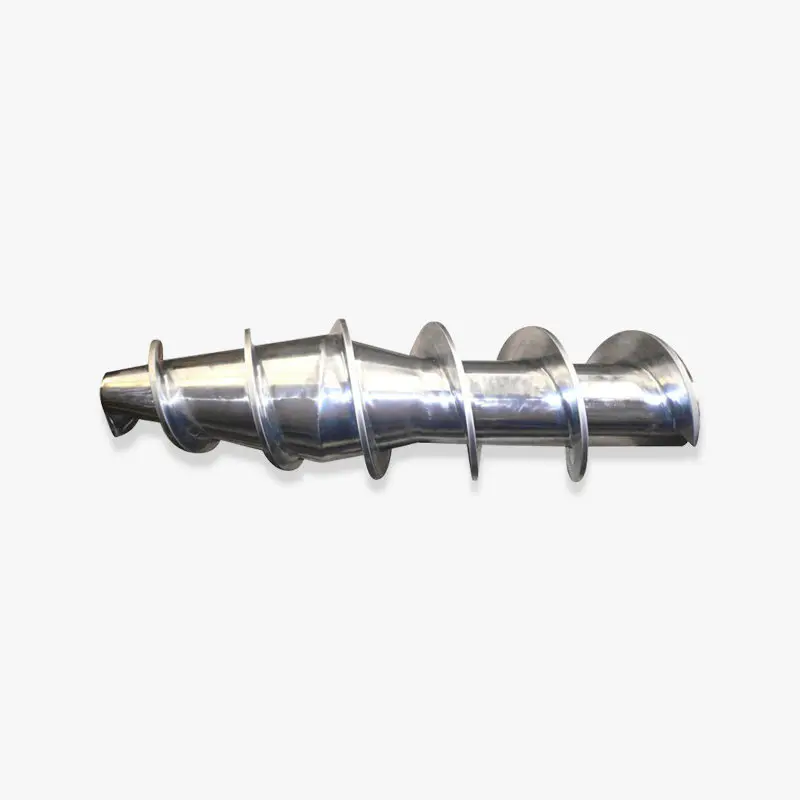
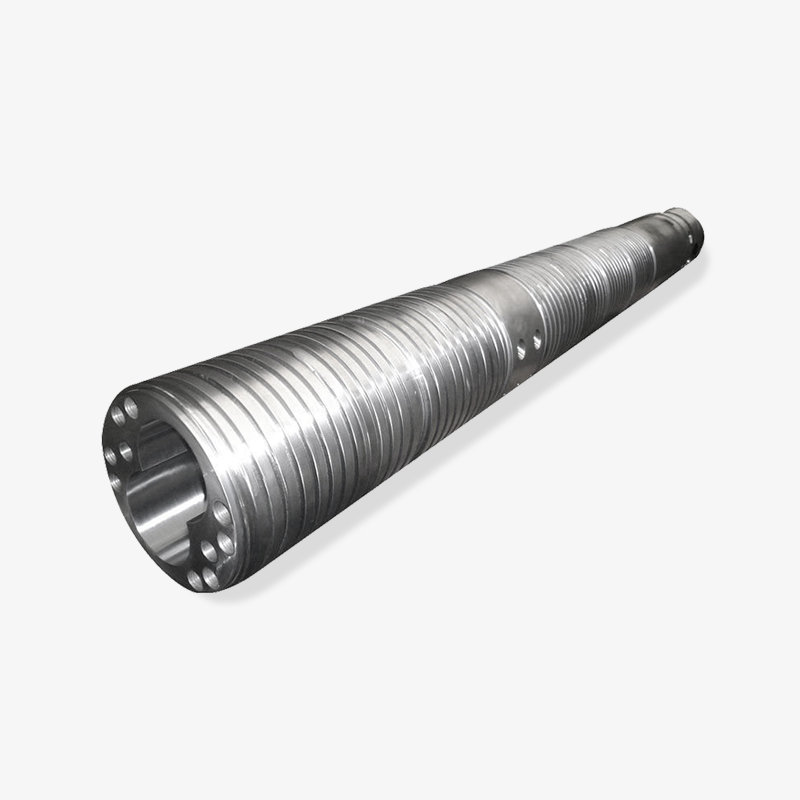
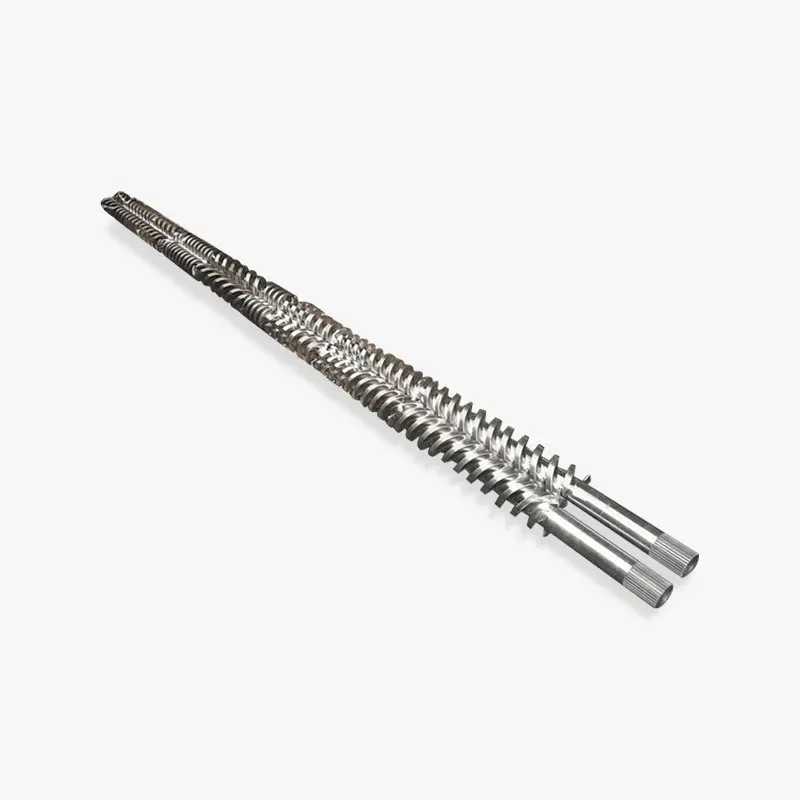
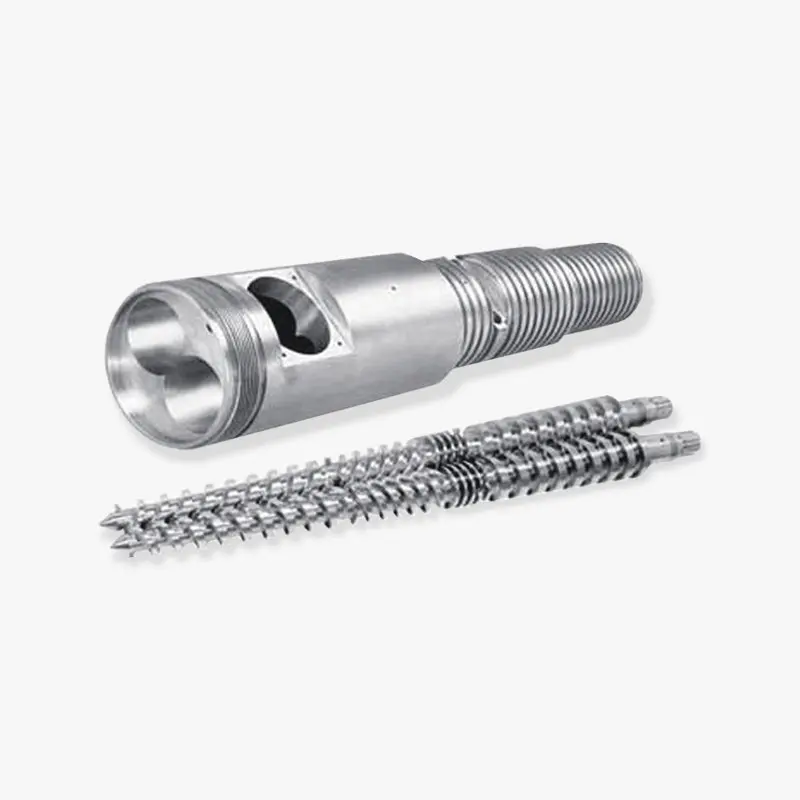
At its simplest, the Conical Twin Screw and Barrel is a specialized mechanical assembly used primarily in extrusion and injection molding. Unlike "parallel" twin screws, where the screws maintain a constant diameter from start to finish, conical screws start with a large diameter at the feed end and gradually taper down to a smaller diameter at the discharge end.
The Anatomy of the System
To understand how it functions, we have to look at its primary components:
-
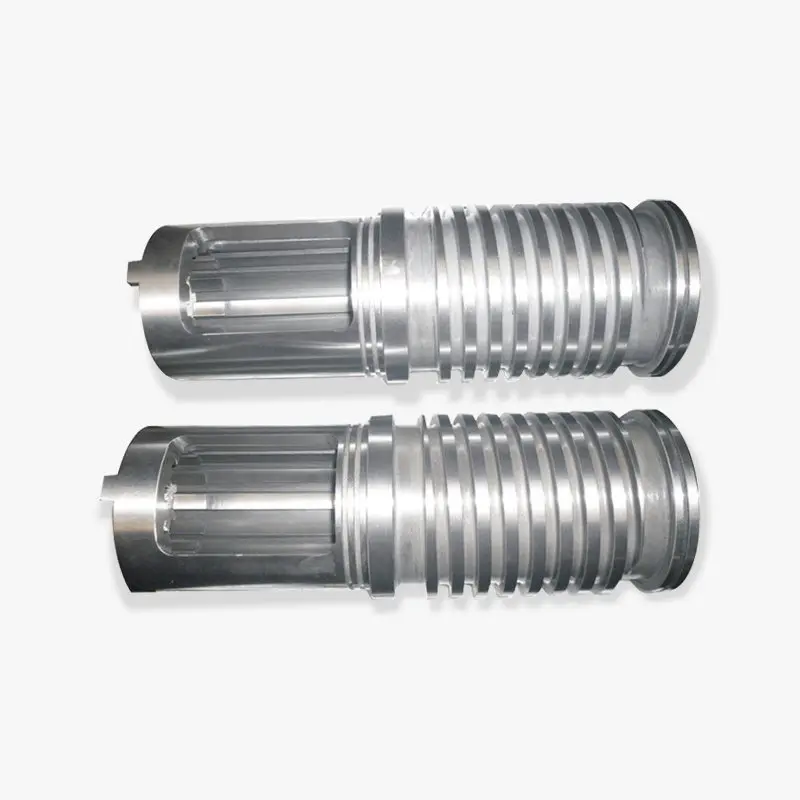
The Roller (Screws): Two intermeshing screws that rotate to move material.
-
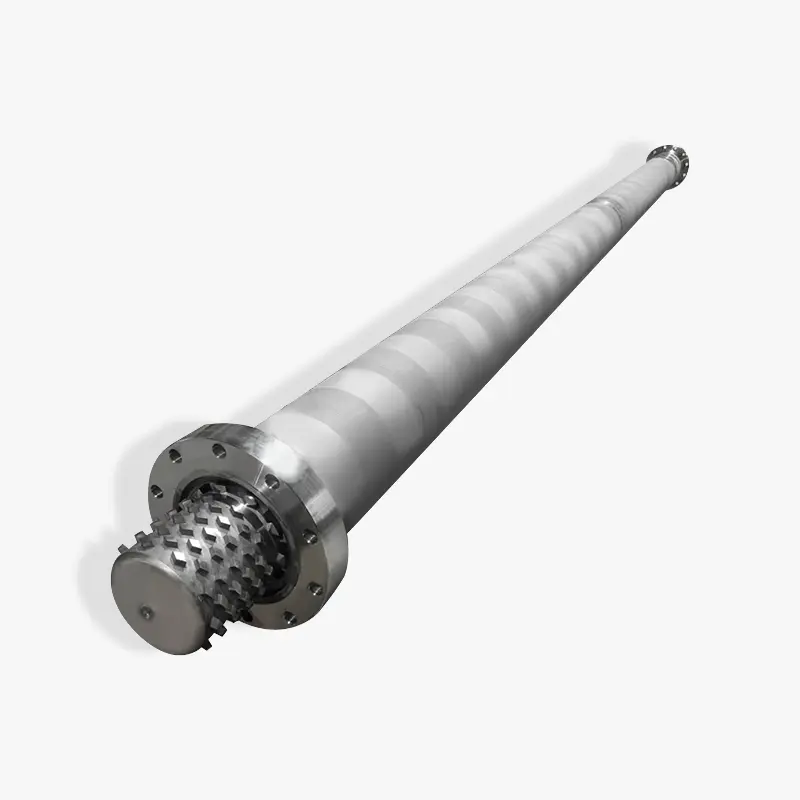
The Barrel: The protective, heated housing that contains the screws.
-
The Transmission Device: The motor and gearbox system that drives the rotation.
-
Feed and Discharge Ports: Where raw material enters and finished product exits.
-
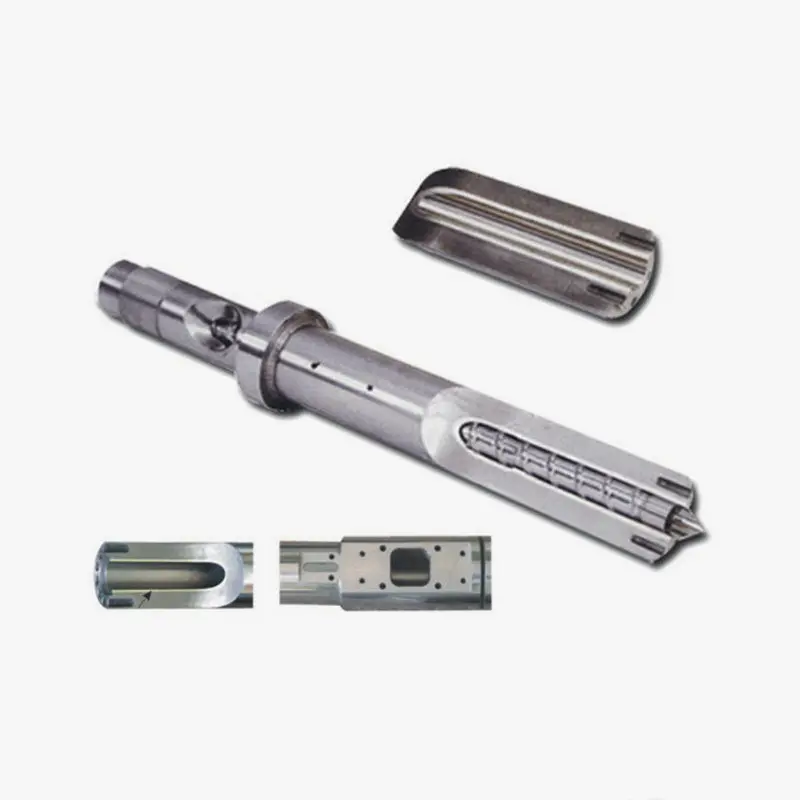
The Exhaust Port: A critical vent that allows gases and moisture to escape during processing.
How Does It Work? The Science of Rotation
The magic of the Conical Twin Screw and Barrel lies in its geometry. When raw materials—usually in the form of plastic pellets, powders, or chemical compounds—are fed into the machine, they enter the "large" end of the cone.
1. Centrifugal Force and Gravity
As the screws rotate, the material isn't just pushed forward. It is subjected to a combination of centrifugal force and gravity. Because the screws are wider at the start, there is a large surface area to take in a high volume of raw material. This prevents "bridging" or clogging at the very beginning of the process.
2. Compression and Melting
As the material moves down the barrel, the space between the screws and the barrel wall becomes smaller due to the conical taper. This naturally compresses the material. This compression, combined with external heat, turns solid pellets into a smooth, molten "melt."
3. Mixing and Degassing
The intermeshing nature of the twin screws ensures that the material is mixed thoroughly. It isn't just moving in a straight line; it is being folded and sheared. Meanwhile, the exhaust port plays a vital role. By removing air bubbles and moisture (degassing), the machine ensures that the final product is dense, strong, and free of internal flaws.
Why Is the Design "Conical"?
You might wonder, "If it’s more complex to build a cone-shaped screw, why not just use a straight one?" The answer lies in pressure and torque.
In a parallel system, the pressure is relatively even. However, in a conical system, the large diameter at the rear allows for a much larger gearbox and higher torque capacity. This means the machine can handle tougher, more viscous materials—like PVC powder—without breaking a sweat. It optimizes the distribution of materials on the conveyor and significantly reduces the possibility of material blockage, which is a common headache in industrial settings.
Material Matters: The Strength of 38CrMoAlA
Industrial machinery operates under extreme conditions. High heat, high pressure, and abrasive materials can wear down even the toughest steel. This is why the Conical Twin Screw and Barrel is typically manufactured using high-grade metal materials, most notably 38CrMoAlA (Nitride Steel).
Why this specific steel?
-
Nitriding Treatment: This process creates an incredibly hard "skin" on the metal. It makes the screw surface resistant to scratches and chemical corrosion.
-
Heat Resistance: It maintains its structural integrity even when processing plastics at several hundred degrees Celsius.
-
Longevity: Using high-quality nitride steel ensures that a factory doesn't have to stop production every few months to replace worn-out parts.
Versatility Across Industries
The applications for this technology are vast. While it is a staple in the injection molding industry, its reach extends far beyond making plastic parts.
1. Material Mixing
In the chemical industry, getting a perfectly uniform blend of different powders is difficult. The dual-screw action of the conical system acts as a high-intensity mixer, ensuring that additives are perfectly distributed throughout the base material.
2. Drying and Separation
Because of the heat and the exhaust system, these units are often used to dry materials while they are being transported. The centrifugal force helps separate moisture or unwanted gases from the primary material, streamlining two processes into one.
3. Grinding
In some specialized setups, the tight tolerances of the tapered screws allow for a degree of grinding, breaking down larger chunks of material into a finer consistency as they move toward the discharge port.
Common Questions: What Do People Often Ask?
As businesses look to upgrade their hardware, several questions tend to surface regarding the Conical Twin Screw and Barrel.
"Is it better for PVC than parallel screws?" Generally, yes. Because PVC is heat-sensitive and requires high pressure to fuse properly, the conical design's ability to provide high torque at lower speeds makes it the gold standard for PVC pipe and profile extrusion.
"How do I maintain the barrel?" Maintenance usually involves regular cleaning of the exhaust ports to prevent "die drool" or buildup and checking the nitrated layer for signs of wear. Because the design reduces blockage, maintenance is often less frequent than with older systems.
"Does it save energy?" Efficiency is one of its biggest selling points. By optimizing the distribution of material and using the natural compression of the conical shape, these machines often require less supplemental heating energy than flat-barrel designs.
The Future of Industrial Processing
As we look toward the future, the Conical Twin Screw and Barrel continues to evolve. Engineers are now experimenting with new coatings—like bimetallic alloys—to handle even more recycled materials, which are often more abrasive than virgin plastics.
The shift toward "Green Manufacturing" means machines need to be more precise to reduce waste. The conical design fits this perfectly; by ensuring a stable, blockage-free flow, manufacturers produce fewer "scrap" parts, saving money and reducing environmental impact.
The Conical Twin Screw and Barrel is more than just a piece of metal; it is the heart of modern manufacturing. Through its clever use of conical geometry, centrifugal force, and high-strength nitride steel, it has solved some of the oldest problems in material processing: uneven mixing, frequent blockages, and high wear and tear.
Whether you are involved in the production of everyday household items or specialized industrial components, understanding the power of the conical design is key to staying competitive in today's market. It is a testament to how a simple change in shape—from a cylinder to a cone—can redefine the efficiency of an entire industry.
Share:
Selected Bearing Display


 浙公網(wǎng)安備33090202000520號(hào)